
Dental Bone Grafting in Philadelphia
Jawbone rebuilding before implant placement. Performed by Dr. Pouya Hatam, board-certified periodontist and UPenn faculty member, at Razavi Dental in Center City Philadelphia.
What Is a Dental Bone Graft?
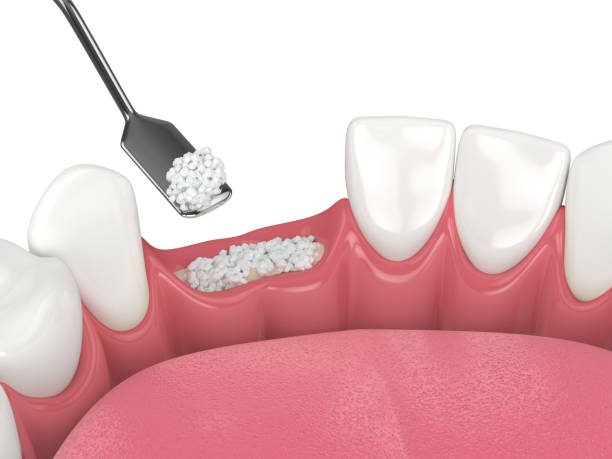
A bone graft adds bone material to the jaw to restore the volume and density needed to support a dental implant. The graft material can come from the patient’s own body, a donor source, or a synthetic material designed to integrate with the surrounding bone. Over time the graft fuses with the existing jawbone, creating a solid foundation for implant placement.
Without adequate bone volume, a dental implant has nothing to anchor to. Bone grafting in Philadelphia at Razavi Dental solves that problem and makes implants possible for patients who would otherwise not be candidates.
Who Needs Dental Bone Grafting in Philadelphia?
A bone graft may be recommended if you are having a tooth extracted and plan to replace it with an implant, have been missing a tooth for an extended period and the bone has receded, have experienced bone loss from periodontal disease, need jaw reconstruction before receiving dentures, or have been told previously that you do not have enough bone for an implant.
Dr. Hatam evaluates bone volume using 3D digital imaging at the initial consultation. If a graft is needed it is planned and completed before implant placement begins.
The Dental Bone Grafting Procedure at Razavi Dental
Dental bone grafting in Philadelphia at Razavi Dental is performed under local anesthesia. Dr. Hatam makes a small incision in the gum to expose the jawbone, places the graft material, and sutures the site closed. Most patients describe the procedure as significantly less uncomfortable than they expected.
After placement the graft undergoes a healing period of three to six months during which it fuses with the surrounding bone. Once integration is confirmed, implant placement can proceed.
Recovery After Bone Grafting in Philadelphia
Some swelling, soreness, and bruising in the days following the procedure is normal and manageable with over-the-counter pain relief. Dr. Hatam may prescribe antibiotics to support healing. Small bone fragments occasionally appear at the graft site during early healing — this is normal.
During recovery brush and floss carefully around the graft site, avoid hard or crunchy foods for the first several days, do not smoke as smoking significantly increases the risk of graft failure, and attend all follow-up appointments so Dr. Hatam can confirm the graft is integrating correctly.
Bone grafting and dental implant placement are closely connected. Most patients who need a graft are working toward an implant, and Dr. Hatam coordinates both phases of treatment as part of the same plan. Having a periodontist manage the grafting and the implant surgery means the two procedures are designed to work together from the start.
Why Choose Razavi Dental for Bone Grafting in Philadelphia?
Bone grafting is one of the most predictable procedures in implant dentistry when performed by an experienced specialist. At Razavi Dental, Dr. Pouya Hatam is a board-certified periodontist and University of Pennsylvania faculty member who has placed implants and performed grafting procedures throughout her career. Every bone graft is evaluated individually. Dr. Hatam reviews the imaging, selects the appropriate graft material for the case, and walks patients through exactly what to expect before, during, and after the procedure.
Ready to Find Out If You Need Bone Grafting in Philadelphia?
Schedule a consultation with Dr. Pouya Hatam at Razavi Dental in Center City. She will evaluate your jawbone using 3D imaging and determine the right approach for your case.