
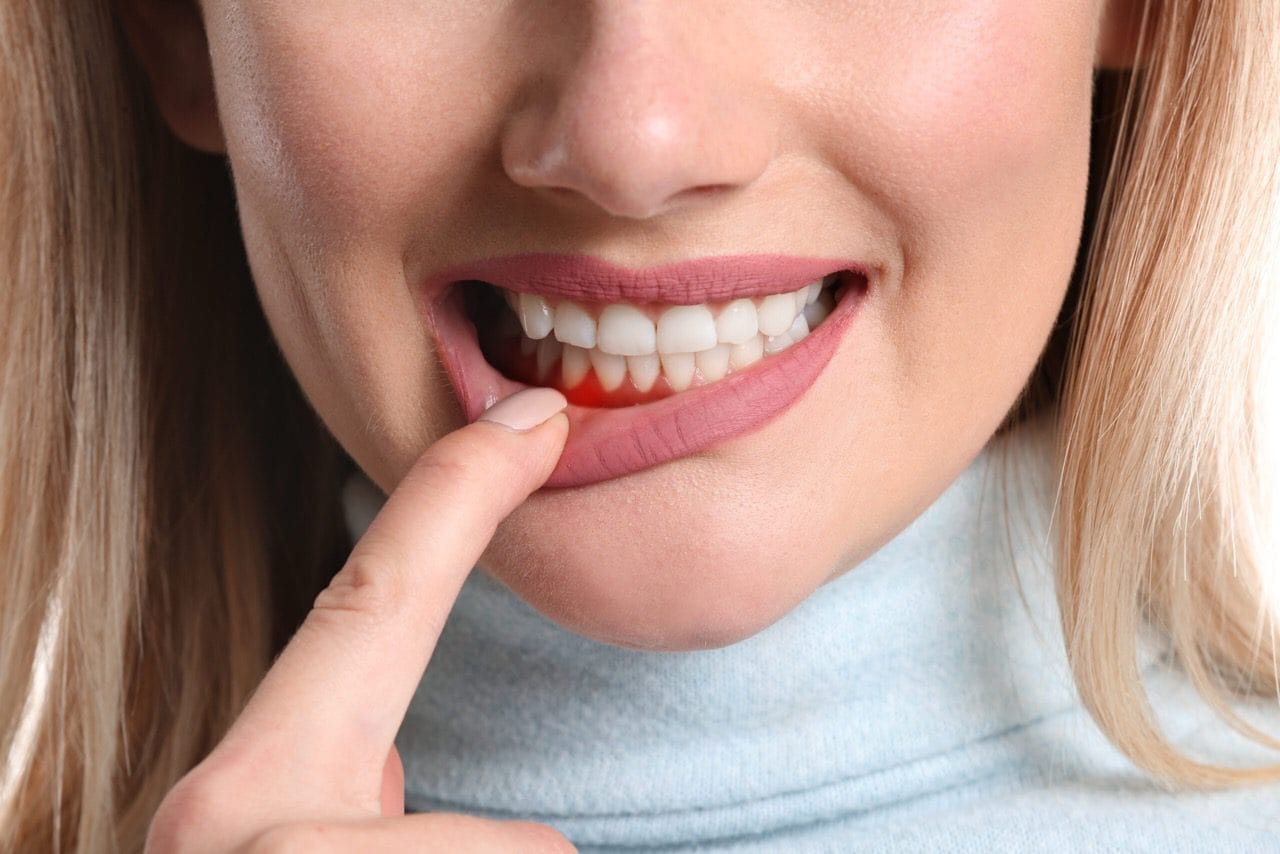
How to Fix Receding Gums Without Surgery
Knowing how to fix receding gums starts with understanding how far the recession has progressed.” Receding gums expose the root of the tooth, cause sensitivity, and raise the risk of decay and bone loss if left untreated. The right fix depends on how far the recession has progressed — from improved home care for early cases to gum grafting for advanced ones. At Razavi Dental in Philadelphia, Dr. Pouya Hatam, a board-certified periodontist, evaluates and treats gum recession at our Center City location.
What Are Receding Gums?
Gum recession is the gradual pulling back of the gum tissue from the surface of the tooth, exposing the root underneath. Because root surfaces are not protected by enamel, they are more sensitive and more prone to decay. Recession often develops slowly, which is why many people do not notice it until a tooth looks longer than it used to or starts to feel sensitive to hot and cold.
Why Are My Gums Receding?
Gum recession has several common causes, and often more than one is at work:
- Gum disease — the leading cause. Periodontal infection destroys the tissue and bone that hold the gums in place.
- Aggressive brushing — scrubbing hard or using a stiff-bristled brush wears the tissue down over time.
- Genetics — some people are simply predisposed to thinner gum tissue.
- Teeth grinding and clenching — the constant pressure stresses the gumline.
- Tobacco use — reduces blood flow to the gums and accelerates tissue loss.
- Misaligned teeth or a poor bite — uneven force pulls tissue away from certain teeth.
Identifying the cause matters, because stopping the recession depends on correcting what is driving it.
Can Gums Grow Back?
This is the most common question patients ask, and the honest answer is no — gum tissue does not regenerate on its own once it has receded. What you can do is stop the recession from getting worse, and, when needed, restore the lost coverage surgically. Early recession can be halted with better home care and treatment of the underlying cause. Advanced recession that has exposed significant root surface is corrected with a gum grafting procedure that rebuilds the tissue. The goal in every case is to protect the root and prevent further loss.
How to Fix Receding Gums Without Surgery
For mild, early-stage recession, non-surgical steps can stop the progression and protect the exposed root:
- Switch to a soft-bristled toothbrush and a gentle brushing technique to stop further wear.
- Treat the underlying gum disease with a professional deep cleaning (scaling and root planing) to remove bacteria below the gumline.
- Wear a night guard if grinding is contributing to the recession.
- Use desensitizing toothpaste or in-office fluoride to manage root sensitivity.
- Keep up with periodontal maintenance cleanings to keep the disease from returning.
These steps do not regrow lost tissue, but for early cases they often stop recession in its tracks and protect the tooth.
Gum Recession Self-Care: What You Can and Can't Do at Home
Once recession starts, the right home care can slow it down and protect the exposed root — but it’s important to be realistic about what self-care can and cannot achieve. Home steps can stop mild recession from worsening; they cannot regrow tissue that’s already lost. That part requires a periodontist.
What actually helps at home:
- Switch to a soft-bristled brush and use a gentle, angled technique rather than scrubbing side to side. Aggressive brushing is one of the most common causes of recession, and correcting it removes the driver.
- Floss daily, but gently — sawing into the gumline does more harm than good.
- Use a desensitizing toothpaste to manage root sensitivity while the cause is addressed.
- Wear a night guard if you grind or clench, which relieves the pressure pulling tissue off the gumline.
- Stop using tobacco, which restricts blood flow to the gums and speeds tissue loss.
What does not work, despite the claims: oil pulling, special “gum-regrowing” toothpastes, and at-home massage do not regrow gum tissue. They may improve overall gum health, but they cannot reverse recession that has already exposed the root. If a tooth looks longer or feels sensitive, that’s the point to have a periodontist evaluate it — early treatment is far more conservative than waiting.
Gum Grafting for Advanced Recession
When recession has exposed a significant amount of root, gum grafting is the most reliable way to restore coverage. The procedure takes donor tissue — typically from the roof of the mouth — and uses it to rebuild the gumline over the exposed area. For patients who are candidates, Dr. Hatam also performs the pinhole technique, which repositions existing gum tissue through a small entry point with no incisions and no sutures, allowing a faster recovery. Both approaches protect the root, reduce sensitivity, and improve the appearance of the smile. Which option is right depends on the severity of the recession and the thickness of your existing tissue.
How to Prevent Gum Recession
Once recession is stopped or repaired, keeping it from returning comes down to consistent care: brush gently twice a day with a soft brush, floss daily, and keep regular professional cleaning appointments. Quitting smoking, wearing a night guard if you grind, and treating any active gum disease are the most important steps. Patients with a history of gum disease should schedule periodontal maintenance visits every three to four months rather than the standard twice-yearly cleaning.
The Link Between Gum Health and Overall Health
Gum recession is often a visible sign of underlying periodontal disease, and that disease is increasingly understood as a whole-body health issue. The bacteria responsible for gum infection can enter the bloodstream and trigger inflammation throughout the body, a process linked in research to heart disease, diabetes complications, and cognitive decline. Treating gum recession and the disease behind it is not only about protecting your teeth — it is about reducing a chronic inflammatory burden that affects the rest of your health. Patients with diabetes are particularly vulnerable, since high blood sugar impairs the body’s ability to fight infection and active gum disease can in turn make blood sugar harder to control.
Gum Recession Treatment at Razavi Dental in Philadelphia
Looking for a Dentist in Philadelphia?
Call Razavi Dental at (215) 996-7030 to schedule a gum recession consultation in Center City.