
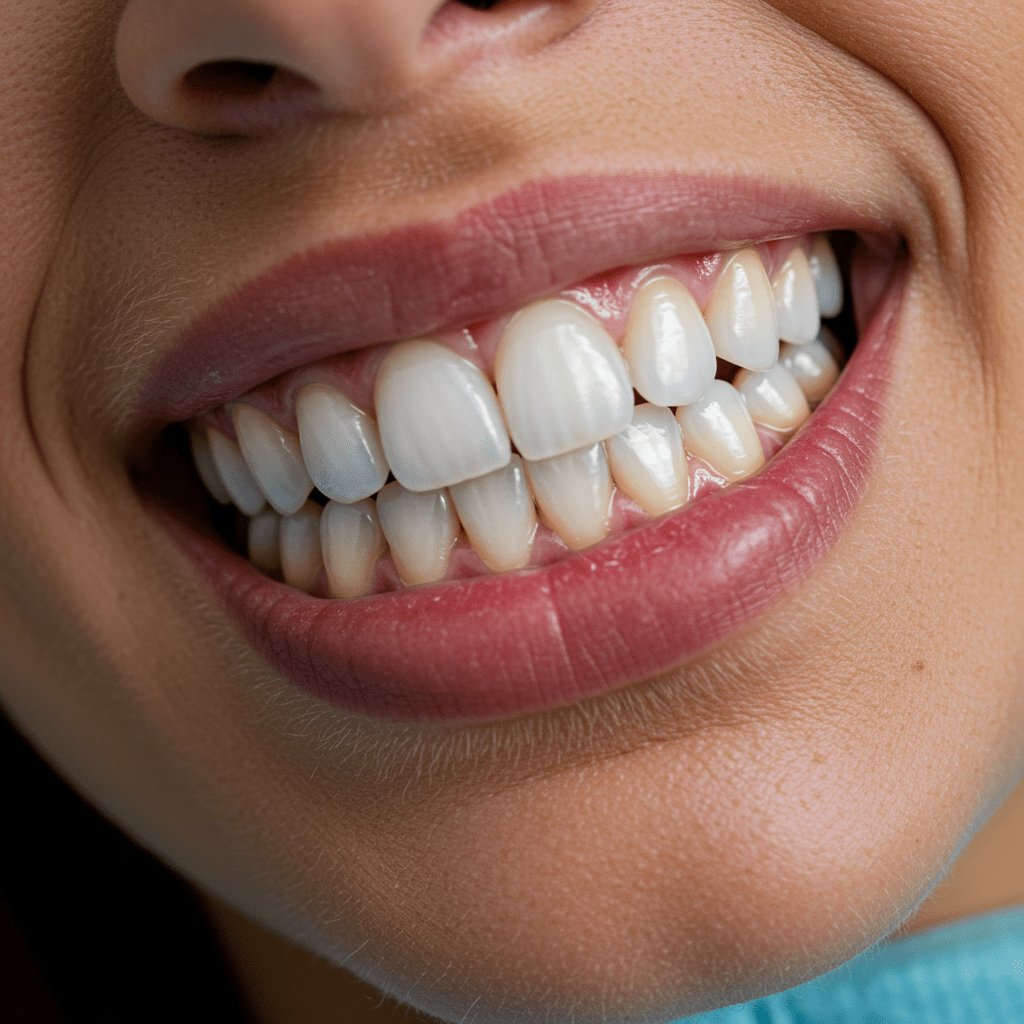
Dental Bonding in Philadelphia
Chips, gaps, discoloration, uneven teeth. Dr. Leily Razavi corrects them with composite resin matched precisely to your natural shade. Usually one visit. No injections. No drilling.
What Is Dental Bonding?
Dental bonding in Philadelphia at Razavi Dental is a procedure in which composite resin — a material that can be precisely matched to the color of your natural teeth — is applied directly to the tooth surface, shaped by hand, and hardened with a curing light. The result is a seamless repair that blends with the surrounding teeth.
Bonding is one of the most conservative cosmetic procedures available. In most cases no enamel is removed and no anesthesia is needed. The entire procedure typically takes 30 to 60 minutes per tooth and is completed in one appointment.
What Can Dental Bonding Fix?
Dental bonding at Razavi Dental is used to address:
- Chipped or cracked teeth
- Gaps between teeth
- Teeth that are uneven in size or shape
- Surface stains and discoloration that whitening cannot resolve
- Exposed root surfaces from gum recession
- Minor smile asymmetry
- Teeth that appear too short
For patients with one or two specific concerns, bonding is often the most efficient and least invasive path to a result they are happy with.
Dental Bonding vs Porcelain Veneers
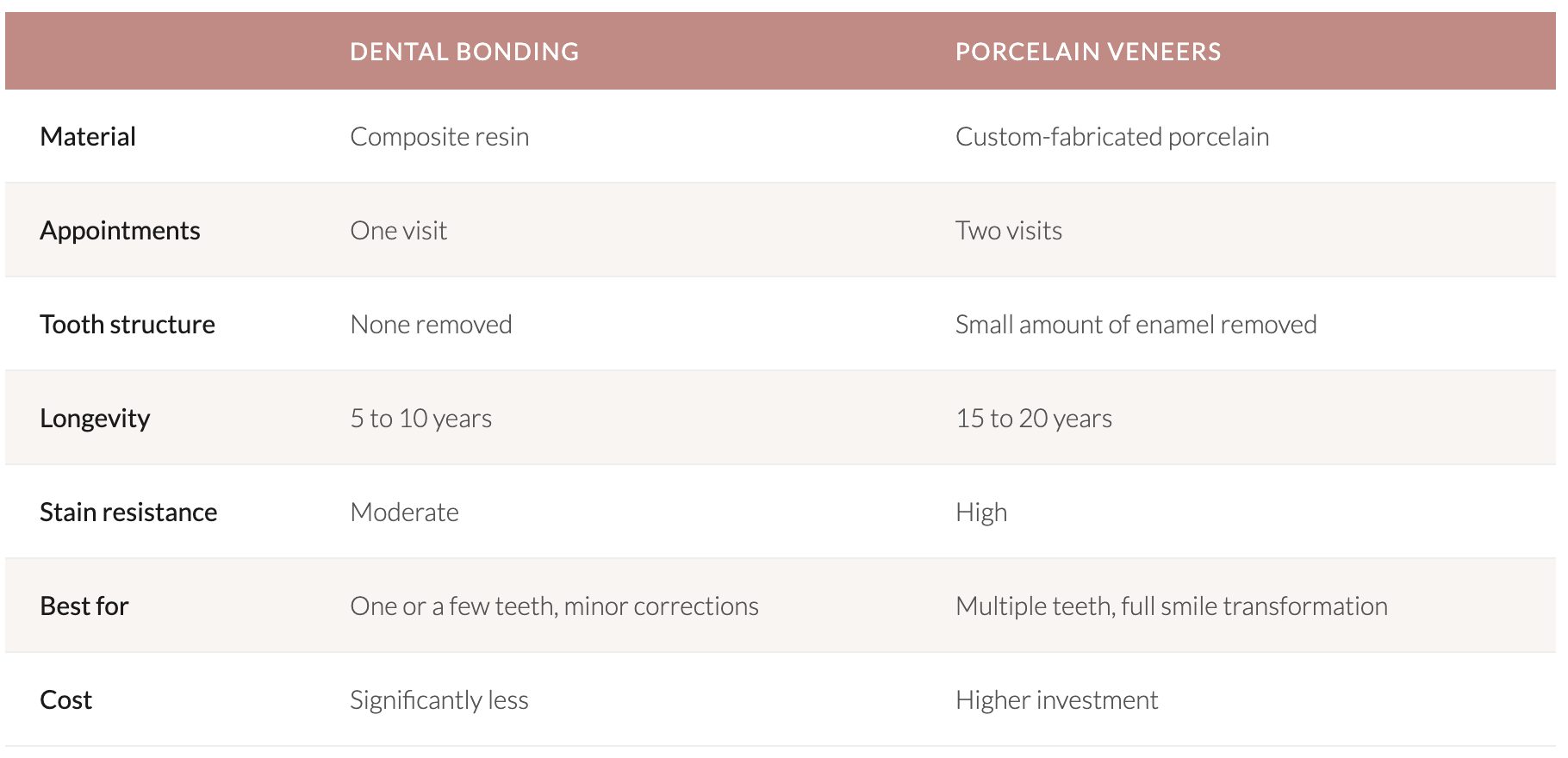
Bonding is faster and less expensive. Veneers are more durable and more stain-resistant. For patients whose concerns include tooth alignment rather than appearance, Invisalign in Philadelphia may be a better starting point.
Dr. Razavi will evaluate your teeth and tell you directly which option is appropriate for your specific situation. Learn more about porcelain veneers at Razavi Dental.
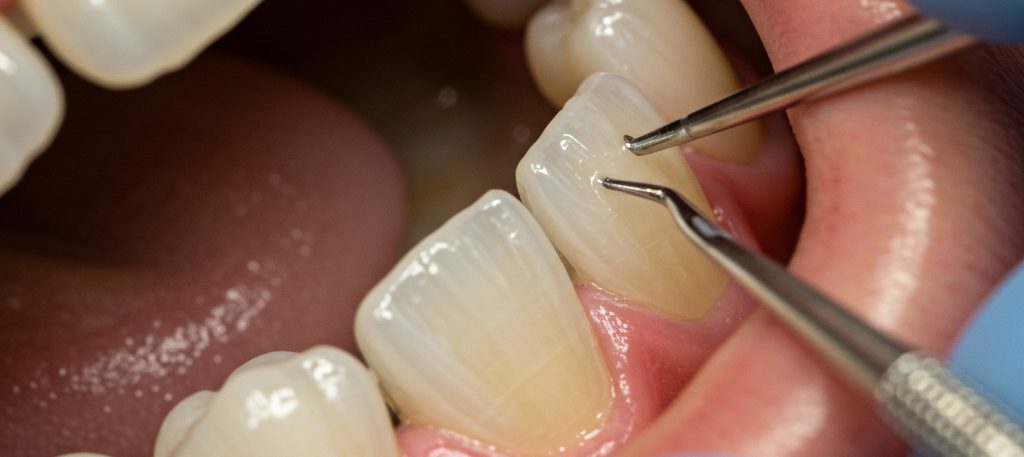
The Dental Bonding Procedure in Philadelphia at Razavi Dental
Dental bonding at Razavi Dental is completed in a single appointment. Most patients are surprised by how quick and comfortable it is.
1
Shade Selection
Dr. Razavi begins by selecting the composite resin shade that most closely matches your natural tooth color, ensuring the repair is invisible against your surrounding teeth.
2
Surface Conditioning
The tooth surface is lightly conditioned to help the resin adhere. No drilling. No anesthesia. No removal of healthy tooth structure.
3
Sculpting and Curing
The resin is applied in layers, sculpted by hand to the correct shape and proportion, and hardened with a curing light after each layer.
4
Polish and Final Check
Once the final shape is achieved, the bonded tooth is polished to a smooth, natural-looking finish. You leave the appointment with the result in place.
How Long Does Dental Bonding Last?
With proper care, dental bonding lasts 5 to 10 years. The composite resin is durable under normal biting and chewing forces but can chip if subjected to excessive pressure. If bonding chips or discolors over time it can be repaired or replaced quickly at a follow-up appointment.
Brush twice daily with a non-abrasive toothpaste to keep the resin surface clean without scratching.
Avoid biting directly into very hard foods with the bonded tooth — hard candies, ice, and crusty bread put uneven pressure on the resin.
Limit coffee, tea, and red wine in the first 48 hours after treatment. The resin is most susceptible to staining during initial curing.
Keep your regular cleaning schedule at Razavi Dental. Professional polishing maintains the surface and catches early wear.
Is Dental Bonding in Philadelphia Right for You?
Dental bonding is a good fit for patients who want to improve the appearance of one or a few teeth without a significant time commitment or cost. It is best suited for minor to moderate cosmetic concerns on otherwise healthy teeth.
It is not the right choice for teeth that are severely damaged, heavily decayed, or require structural restoration — those cases call for a crown. And for patients who want a comprehensive smile transformation involving multiple teeth, porcelain veneers or a full smile makeover will produce a more durable and complete result. For patients wanting a more comprehensive transformation, learn more about a smile makeover in Philadelphia at Razavi Dental.
Dental bonding is most effective for minor to moderate concerns on otherwise healthy teeth. Dr. Razavi will look at your teeth, understand what you want to change, and give you a clear recommendation before anything moves forward.

Dr. Leily Razavi
For patients considering dental bonding in Philadelphia, Dr. Razavi brings restorative precision and cosmetic artistry to every case. Dental bonding demands both: the material must be matched to the exact shade of the surrounding teeth and sculpted by hand to a shape that looks natural in the context of the full smile.
She takes a conservative approach — treating what needs to be treated without removing healthy tooth structure unnecessarily. For patients with a chip or gap that has bothered them for years, bonding often delivers the result they had been putting off.
Philadelphia Magazine Top Dentist
Invisalign Diamond+ Provider
KöR Whitening Certified
Frequently Asked Questions
Does dental bonding hurt?
No. In most cases bonding requires no anesthesia. You may feel mild pressure during the procedure but there is no pain involved.
Can bonding fix a gap between my front teeth?
Yes. Closing a diastema — a gap between the two front teeth is one of the most common uses of dental bonding Philadelphia patients request. Dr. Razavi shapes the resin to widen one or both teeth just enough to close the space naturally.
Will bonding match my other teeth?
Yes. Composite resin comes in a wide range of shades and Dr. Razavi selects the closest match to your natural tooth color. The bonding is polished to a finish that blends seamlessly.
Can I whiten my teeth after bonding?
Whitening agents do not change the color of composite resin. If you are considering both whitening and bonding, whiten first so the bonding can be matched to your whitened shade.
Fix a Chip. Close a Gap. Same Visit.
Ready to correct a tooth that has always bothered you? Razavi Dental offers dental bonding in Center City Philadelphia with same-visit results.