

How to Treat TMJ Disorder?
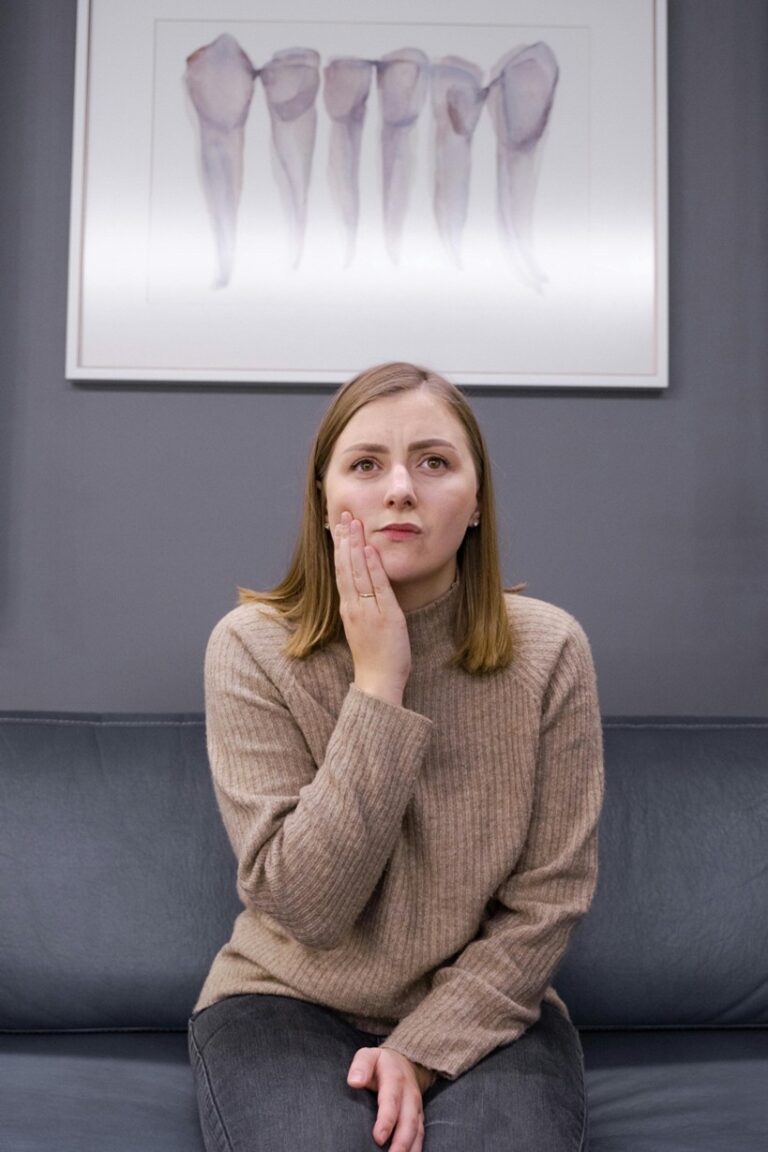
Why My Jaw Hurts
Jaw pain commonly occurs unexpectedly. Sometimes, as a result of a stressful week, and many people think that TMJ disorder just happens out of nowhere. Your jaw hurts, maybe from the muscles around the jaw, TMJ, or due to a medical condition. Also, bruxism can be a reason. When you clench your teeth without realizing it, it can cause jaw pain. When these tissues become irritated, the result is the dull ache most people associate with TMJ disorder.
TMJ Pain Explained
Your TMJ (temporomandibular joint) acts like a sliding hinge connecting your jawbone to your skull. When the small disc inside the joint becomes displaced or the muscles around it become tight, it is common to experience pain. Symptoms associated with the condition can be headaches, ear discomfort, soreness in the face, and a feeling of tiredness, combined with pain when talking or chewing.
Relief for Jaw Pain
TMJ disorder pain relief can be as simple as gentle self care. Your dentist may recommend warm compresses, eating soft foods, and stretching muscles. You can also have relief faster by lowering stress and avoid chewing gum or biting nails.
How to Stop Jaw Clicking
A clicking or popping jaw is not always a sign of something serious; however, if the noise is accompanied by pain or limited mouth movement, then it should be looked into. Physical therapy, muscle relaxation exercises, and bite adjustments are some of the ways through which the sound can be reduced or stopped altogether.
TMJ Causes & Relief
Among the major causes are stress-driven clenching, arthritis, changes in hormone levels, incorrect posture, jaw injury, or malocclusion. The treatments may be as simple as changing one’s behavior or wearing dental appliances that improve the position and function of the jaw.
How to Stop Jaw Locking
Jaw locking is one of the most distressing symptoms of TMJ disorder. When the joint is stuck in the open or closed position, it is commonly the muscles around the joint that are inflamed or have been overstretched. To avoid additional occurrences of TMJ locking, dentists are advising anti-inflammatory treatment and stabilization splints as the main methods of therapy.
Best TMJ Treatments
Depending on the extent of the problem, Treatment could be one or a combination of the following: –
• Custom nightguards or splints
• Muscle relaxants (only if prescribed)
• Stress-reduction methods
• Physical therapy
• Bite correction or orthodontic adjustments
joint lavage or injection to reduce inflammation.
Easy TMJ Relief
• Avoid putting tension on your jaw (keep your lips closed, teeth apart)
• Switch to softer foods during flare-ups
• Apply warm compresses on your face twice a day
• Be careful when stretching your jaw muscles
• Remember to be straight, especially when you are working, sitting or standing
TMJ Home Remedies
Home interventions are capable of assisting most of the mild cases. You may take magnesium supplements (if they are suitable for you), use meditation to lessen clenching, and do a light jaw massage. However, you should know that home treatment is most effective when combined with professional assessment.
When to See a Dentist
If your jaw pain lasts more than a week, gets worse, or makes it difficult for you to carry out daily activities, it is necessary to see a dentist. At RazaviDental we provide different treatments for Ta,J disorders. Our dentist can figure out the cause and recommend a personalized treatment plan. Early intervention not only keeps the joint from being damaged, but it is also a quicker way to regain comfort.